
Site Specific: Unfinished House
Alexander Brodsky and David Brodsky - Tbilisi, Georgia, 2025
A project to reconstruct a residential building in Tbilisi, Georgia, ‘Unfinished House’ is aptly named; the current phase of work represents the second time this building has been largely reconfigured since it was originally constructed in the 1920’s. Alexander and David Brodsky have repurposed both the spatial arrangements and materials from different periods of the building's history to create a sense of what they have called ‘aesthetic re-contextualisation’.
The project is notable for the way in which a self-organised working process expanded its social function, many hands were involved in the renovation and the construction process. The open-ended attitude to ‘completing‘ the project, together with the expressive use and re-use of different construction materials, suggests the building would enthusiastically invite further adaptation.
This project was nominated for the 2026 EUmies Awards.
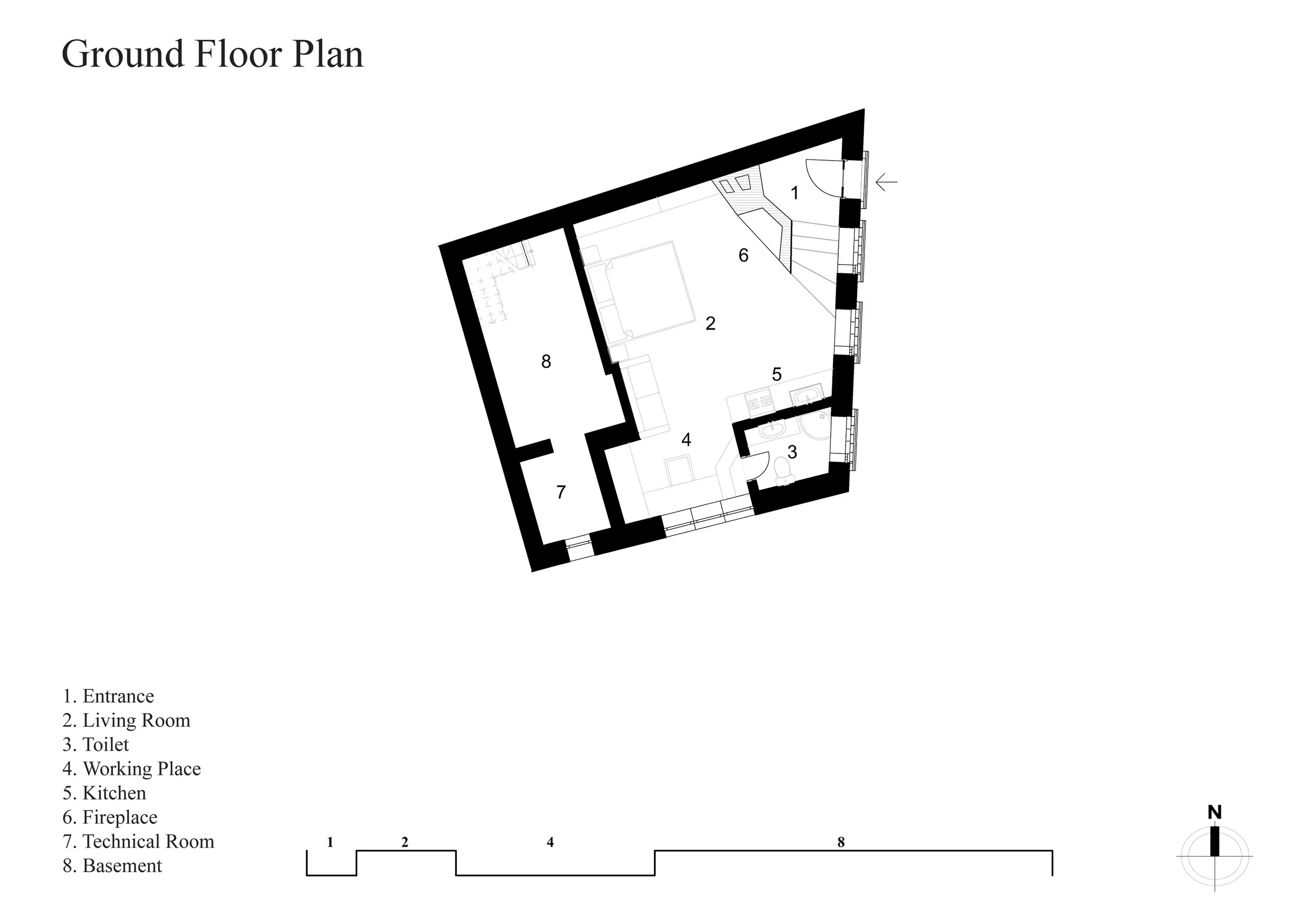
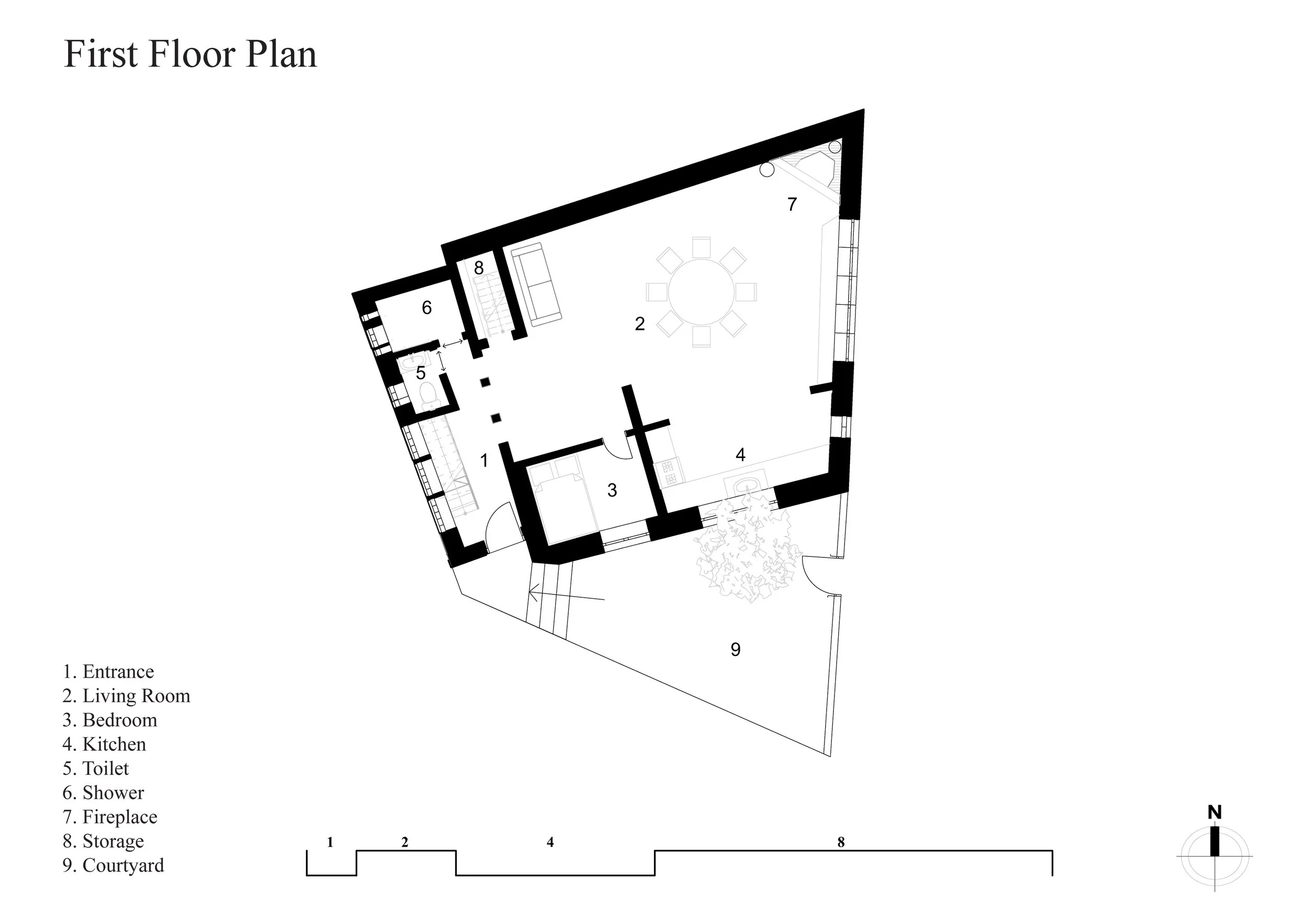
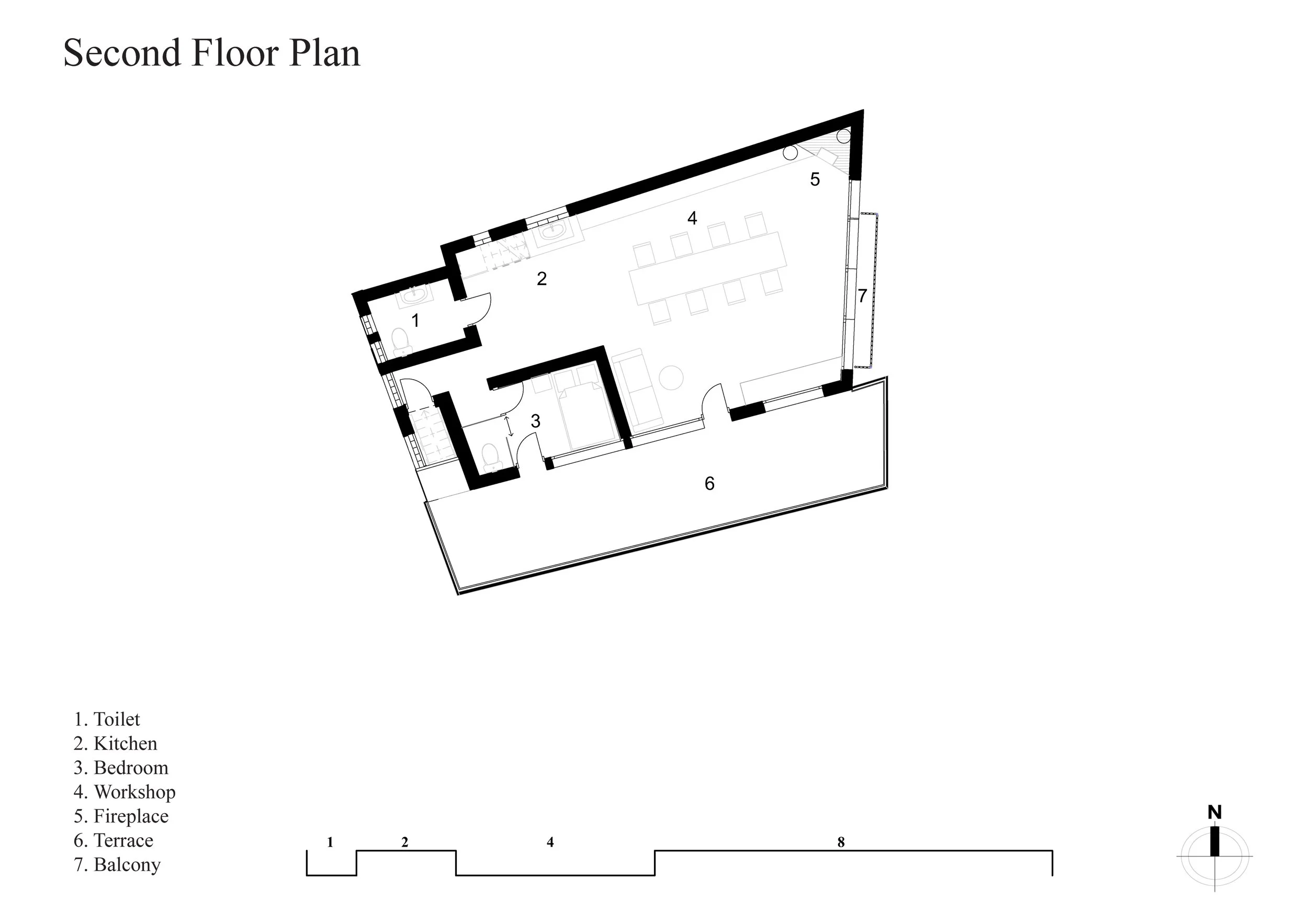
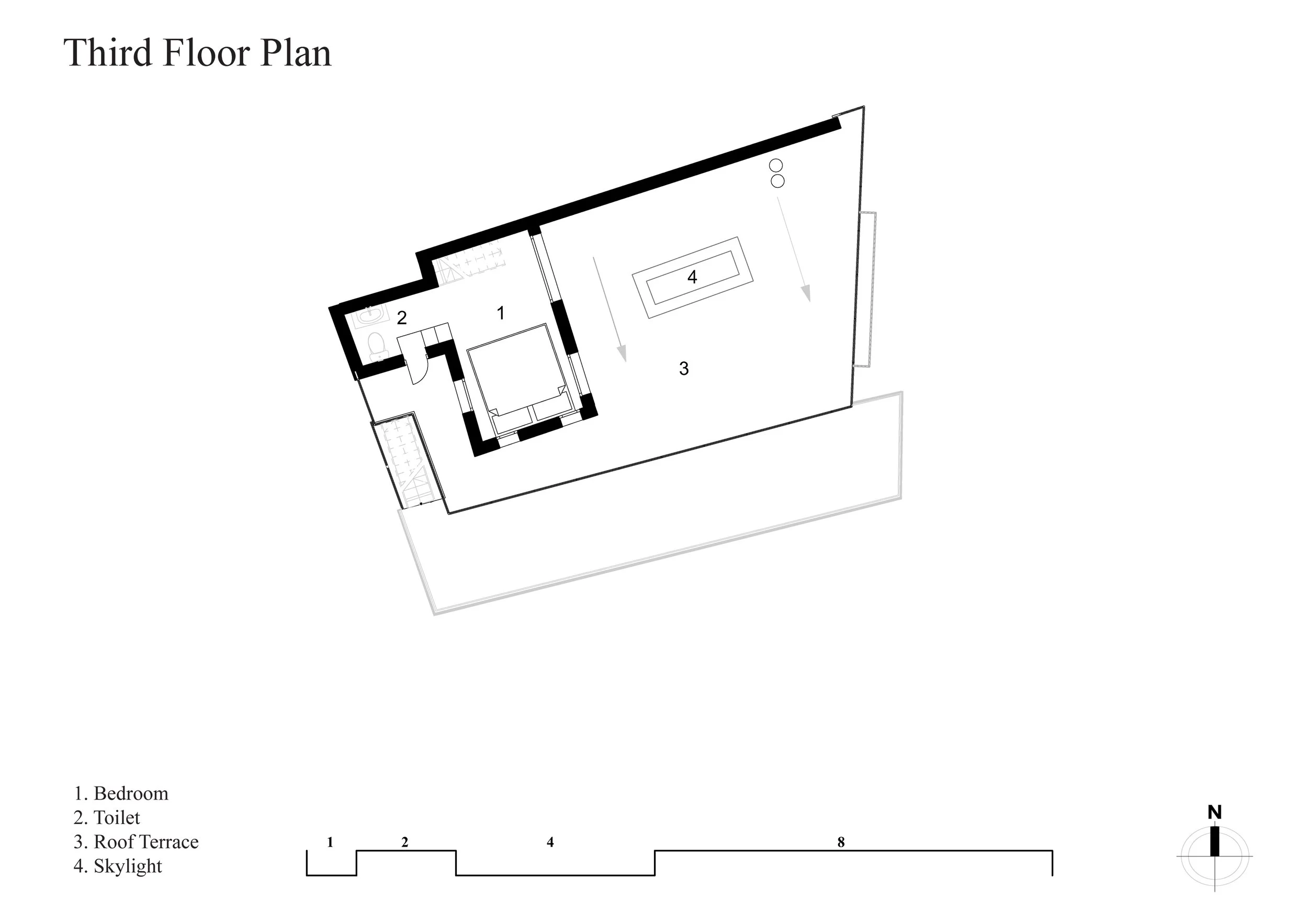
AB & DB The building is located in the historic district of Tbilisi. The original structure was constructed in the 1920s. This project represents the second reconstruction of the building. The newly constructed terrace and balcony utilise the existing framework of the old building and pay homage to the tradition of Tbilisi's baniani (flat-roof) residential houses. The current design primarily serves as a family residence; however, the first floor is designed as a flexible, multifunctional space that can also host small public or cultural events.
Our goal was to preserve the building’s existing material layers and structure while ensuring its functional renewal. Several architectural elements were preserved in their existing condition. The design approach aimed to integrate aspects of Tbilisi’s architectural identity into a contemporary domestic context. The composition of reused materials expresses the historical and economic conditions of different periods in the city’s development and contributes to the authenticity of the reconstructed building.
The construction phase of the project was characterized by an experimental, self-organized methodology. This approach engaged architecture students, hired tradespeople, and collaborators: primarily friends. Workshop spaces were established at the construction site to facilitate material reuse and detail fabrication, encouraging collaboration and the collective exchange of practical knowledge. It emphasized adaptive project execution, material engagement, and skill sharing.
Materials from previous construction stages – Georgian brick, handmade cement blocks, corrugated metal roofing, and reclaimed timber – were recovered and reintegrated into new construction. For example, the reused cement blocks were applied as fireplace cladding. Additional materials were sourced locally, including Soviet-era glass blocks, reclaimed bricks, and recycled wood. The use of these materials aligns with a sustainable strategy and reinforces the connection between the project and its local building culture. The original blocks and reinforced concrete belt structure were retained, while a wooden structure was added for the second floor and main entrance. A concrete monolith was installed on top of this addition, creating a terrace area. The local climate aids in the preservation of exposed materials over time; however, it is recommended to periodically treat these materials with various chemicals.
NOTES
Many thanks to David Brodsky for his help in compiling this post.
Completion photographs © Grigory Sokolinsky.
Posted 16th December 2025.